

How to Properly Wash Produce During Michigan Cyclosporiasis Outbreak
Officials suspect lettuce in parasite outbreak that has sickened over 3,300 Michigan residents
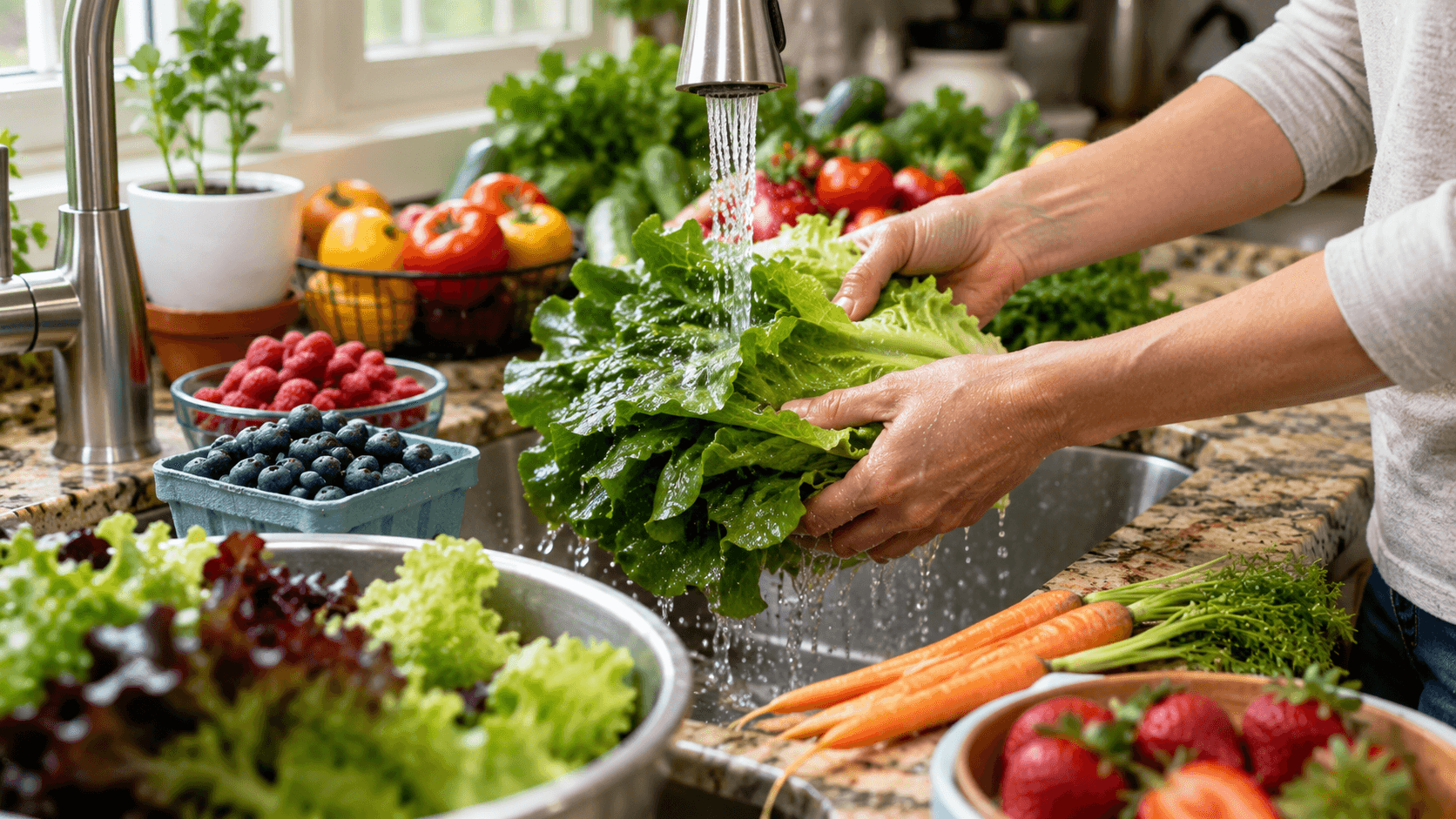
The parasitic infection cyclosporiasis has sickened more than 3,300 Michigan residents since late June, underlining the importance of carefully washing produce as officials narrow their search for a culprit to lettuce and leafy greens.
The Scope of the Outbreak
As of mid-July, there were a total of 3,300 cases of cyclosporiasis in Michigan, with high concentrations of cases in Monroe, Wayne, Shiawassee, Washtenaw, Oakland, Livingston, Lenawee, and Ingham counties, according to the Michigan Department of Health and Human Services. The infection has now been reported in 55 counties across the state, including Calhoun County with 32 reported cases.
What is Cyclosporiasis?
Cyclosporiasis is an illness caused by a microscopic parasite called Cyclospora cayetanensis. The parasite can contaminate fruits and vegetables that come into contact with feces. The illness is most common in tropical and subtropical regions of the world.
When people get sick, the prominent symptoms include:
• Watery or explosive diarrhea • Stomach cramps • Loss of appetite • Weight loss • Nausea • Fever • Vomiting (in some cases)
High-Risk Produce
Certain fruits and vegetables have been singled out as common hosts for cyclosporiasis:
• Lettuce and bagged salad mixes • Carrots • Fresh cilantro • Basil • Raspberries • Snow peas • Green onions
Although most people know animal products must be handled carefully to prevent illness, produce, too, can be the culprit in outbreaks of foodborne illness, the U.S. Food and Drug Administration warns.
Seven Steps to Properly Wash Produce
Here are seven steps to effectively wash your fruits and vegetables before use, according to the FDA:
1. Wash Your Hands First Wash your hands for 20 seconds with warm water and soap before and after preparing fresh produce.
2. Remove Damaged Areas If damage or bruising occurs before eating or handling, cut away the damaged or bruised areas before preparing or eating.
3. Rinse Before Peeling Rinse produce before you peel it, so dirt and bacteria are not transferred from the knife onto the fruit or vegetable.
4. Rub Under Running Water Gently rub produce while holding under plain running water. There is no need to use soap or a produce wash.
5. Use a Vegetable Brush Use a clean vegetable brush to scrub firm produce, such as melons and cucumbers.
6. Dry Thoroughly Dry produce with a clean cloth or paper towel to further reduce bacteria that may be present.
7. Remove Outer Leaves Remove the outermost leaves of a head of lettuce or cabbage.
Specific Techniques for Different Produce Types
Leafy Green Vegetables: Separate and individually rinse the leaves of lettuce and other greens, discarding the outer leaves if torn and bruised. Leaves can be difficult to clean, so immersing the leaves in a bowl of cold water for a few minutes helps loosen sand and dirt. Blot dry with paper towels or use a salad spinner to remove excess moisture.
Firm Produce: Wash well or peel to remove waxy preservative.
Root Vegetables: Peel potatoes, carrots, turnips and other root vegetables, or clean them well with a firm scrub brush under lukewarm running water.
Melons: Use a vegetable brush and wash melons thoroughly under running water before peeling or slicing.
Hot Peppers: When washing hot peppers, wear gloves and keep hands away from eyes and face.
Soft Fruits: Wash under running water and dry with a paper towel.
Grapes, Cherries and Berries: Store unwashed until ready to use but separate and discard spoiled or moldy fruit before storing. Wash gently under cool running water right before use.
Mushrooms: Clean with a soft brush or wipe with a wet paper towel to remove dirt.
Herbs: Rinse by dipping and swishing in a bowl of cool water and dry with paper towels.
How Long Should You Wash?
The duration of the wash depends on the food:
• Leafy greens: Rinse for a couple minutes to clear all crevices • Porous foods (strawberries, cantaloupe, green onion): Rinse for 20 seconds • Smooth-surfaced foods (apples, watermelons): Rinse for 10 seconds
Should You Use Vinegar or Other Cleaners?
Most sources including the FDA recommend only using water to clean your fruits and vegetables. While some people advocate using vinegar, lemon juice, or even commercial cleaners like bleach, health and food safety experts strongly urge consumers not to take this advice and stick with plain water.
The safety of residues from these alternative cleaning methods has not been evaluated, and their effectiveness has not been tested or standardized.
Cooking: The Surest Protection
Cooking produce to 158 degrees Fahrenheit is the surest way to kill the Cyclospora parasite. While washing reduces risk, thoroughly cooking vegetables provides the highest level of protection.
Additional Food Safety Tips
Shopping for produce locally, limiting the quantity to avoid spoiled produce, and waiting to wash just before use are other recommended tips from the Colorado State University Extension.
By following these guidelines, Michigan residents can reduce their risk of cyclosporiasis while still enjoying the health benefits of fresh fruits and vegetables.
Frequently Asked Questions
Q: What is causing the cyclosporiasis outbreak in Michigan? A: Health officials suspect lettuce and leafy greens are the source of the outbreak, which has sickened over 3,300 Michigan residents since late June.
Q: Can washing produce completely eliminate the risk of cyclosporiasis? A: While thorough washing significantly reduces risk, cooking produce to 158 degrees Fahrenheit is the only way to be certain the parasite is killed.
Q: Should I use soap or vinegar to wash my produce? A: No. The FDA and CDC recommend using only plain water to wash fruits and vegetables. Soap, vinegar, and other cleaners are not recommended and their safety has not been evaluated. |
Stay up to date with our local news!
Get articles like this delivered to your inbox.
Subscribe Now
0 Comments
Join the conversation
Be the first to comment
Share your thoughts above.